12 hr
Private Taal Volcano & Pagsanjan Falls Day Trip from Manila
- Private experience
- Personal attention
- Premium amenities
- Free cancellation
Taal Volcano Tour From Manila — Crater Island & Lake Crossings
Private boat access to the world's smallest active volcano, one hour south of the capital
Compare fares, pick the fit — all bookings are mobile-voucher and eligible for free cancellation where shown.
12 hr
8 hr
12 hr
Selecting the right taal volcano tour from manila requires understanding that physical island landing is currently prohibited due to its status as a Permanent Danger Zone. Visitors instead choose between boat-based lake tours or scenic ridge observation point visits to experience this iconic Philippine landmark.
|
Top pick Boat-Based Lake Tour Water-level Caldera View |
Tagaytay Ridge View Mainland Observation Point | |
|---|---|---|
| Access Level | Lake Waters Only | Mainland Ridge Only |
| Entry Fee | 100 PHP Environmental Fee | Free |
| Travel Time from Manila | 2–3 hours each way | 1.5–2 hours each way |
| Activity Type | Motorized boat excursion | Land-based sightseeing |
| Best for | First-timers seeking proximity | Budget-conscious travelers |
| See tickets & prices |
Verdict: For the most immersive taal volcano tour from manila, choose the boat-based lake tour to see the volcano from the water, as island hiking remains closed.
Worth it for geology enthusiasts and active travelers
A taal volcano tour from manila delivers a rare chance to stand inside an active volcanic crater — one of the world's most accessible — but demands a full day and moderate physical effort. The 100 PHP environmental fee is nominal, yet organized tours bundle transport, boat crossings, and horseback or hiking options for the 30-minute ascent to the crater rim. You're paying for logistics more than the destination itself: roundtrip travel from Manila consumes four to six hours depending on traffic. The payoff is witnessing the sulfurous main crater lake and sweeping views across Taal Lake, framed by the Batangas countryside. Tours combining Pagsanjan Falls or Tagaytay ridge stops stretch the value by layering multiple experiences into one trip. Skip it if you prefer urban sightseeing or have limited mobility — the climb, while short, involves uneven terrain. Best suited for travelers who prioritize natural landmarks over convenience and don't mind an early start to beat midday heat at the crater.
Bottom line: Taal volcano tours justify the travel time if you value geological spectacle and are prepared for the physical demand.
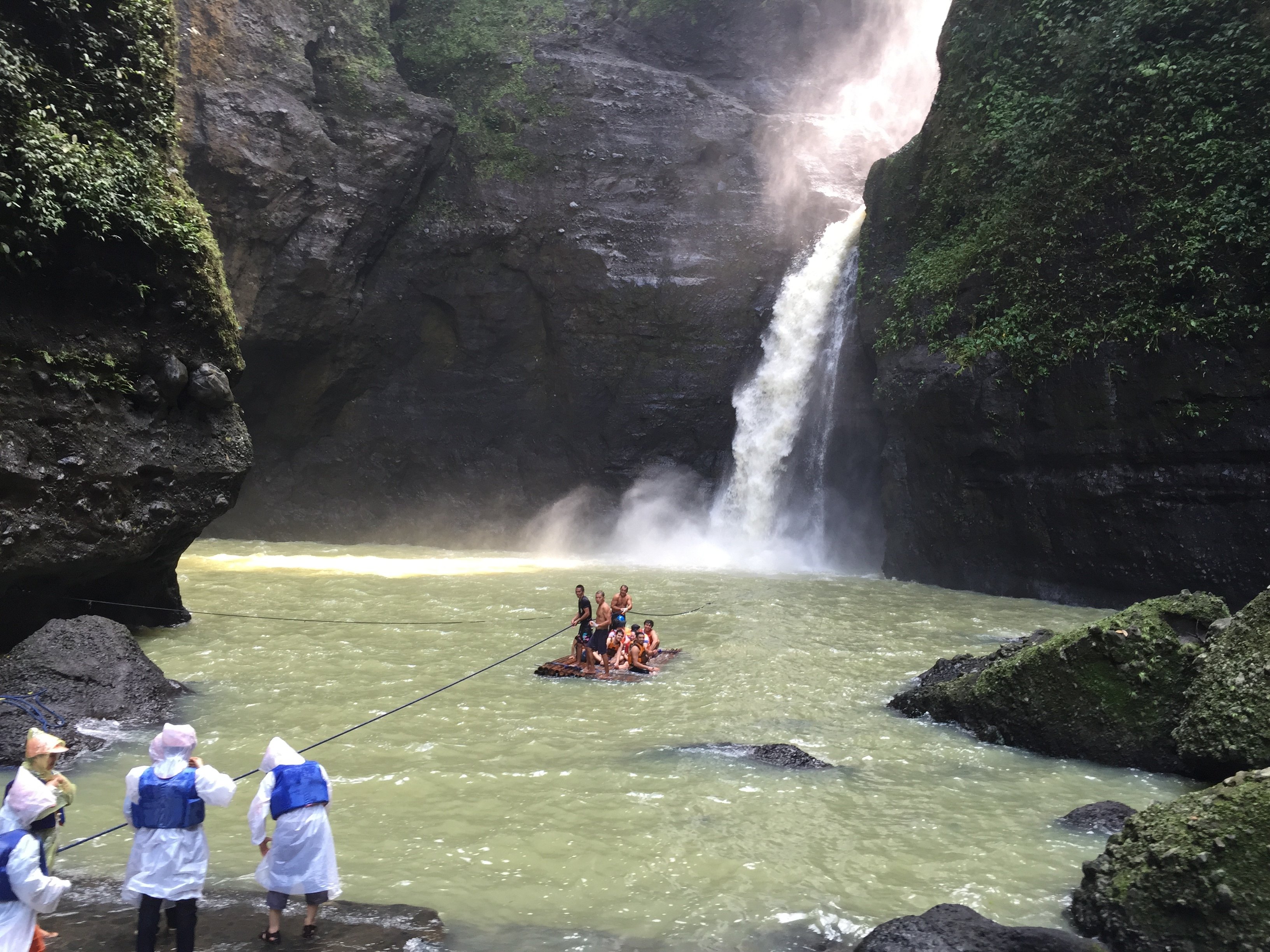
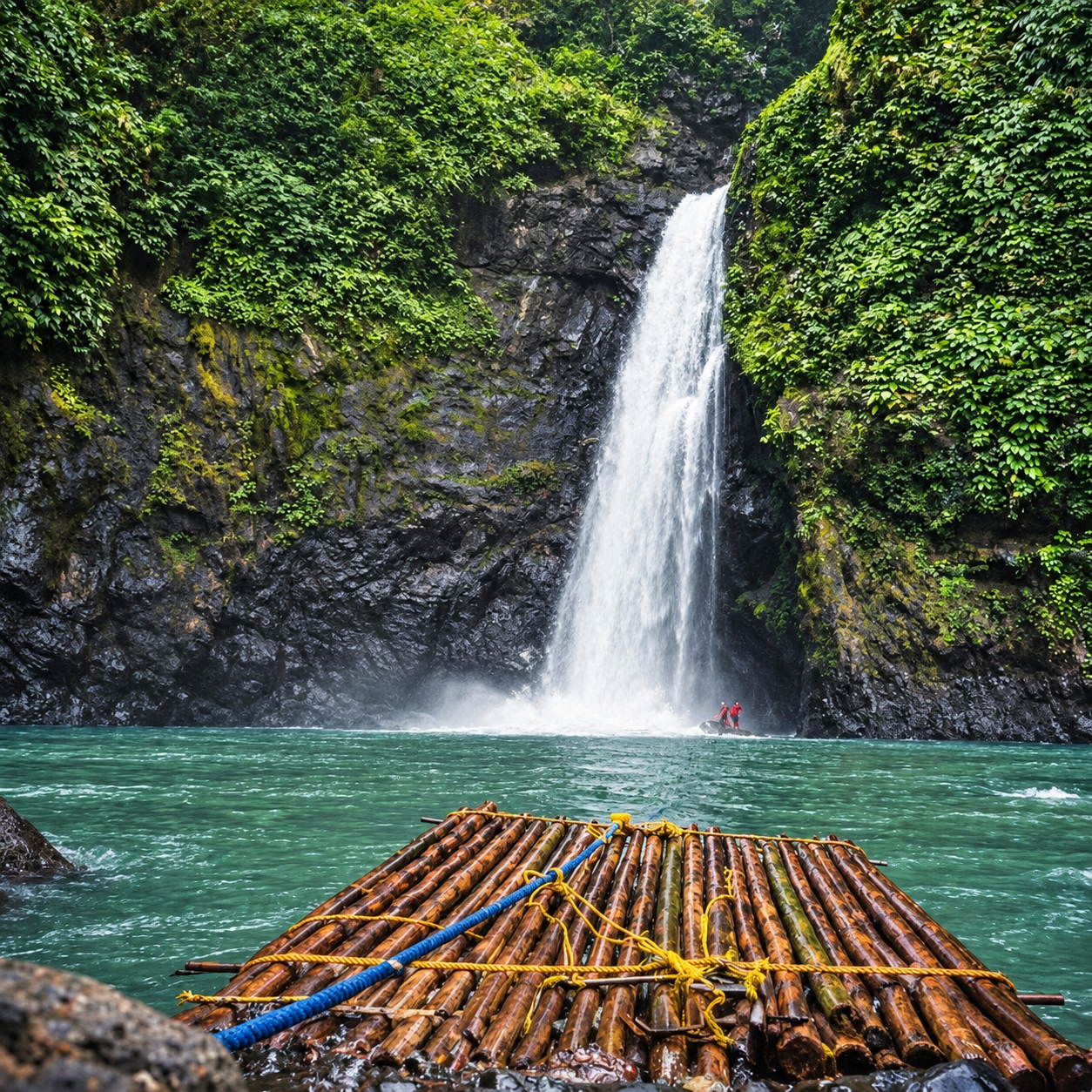
They complement each other; most visitors who do both call the Taal volcano tour from manila the more scenic, while the rapids adventure is often cited as the more thrilling.
|
Top pick Taal Volcano |
Pagsanjan Falls | |
|---|---|---|
| Primary Activity | Boat ride and scenic caldera views | Shooting the rapids in canoe |
| Typical Duration | 6–8 hours | 8–10 hours |
| Physical Intensity | Low to moderate | Moderate (requires agility) |
| Primary Transport | Outrigger boat | Traditional dugout canoe |
| Entrance Fee | 100 PHP (environmental fee) | Varies (government regulated) |
| Optimal Season | Dry months (clearer skies) | Year-round (river flow dependent) |
| Best for | Panoramic photography enthusiasts | Adrenaline and nature seekers |
| See tickets & prices |
Verdict: Choose a taal volcano tour from manila for iconic volcanic landscapes, or select the falls for an active river experience using these combined taal volcano tour from manila tours and taal volcano tour from manila tickets options.
Hand-picked experiences loved by thousands of travelers
8 hours
Free Cancellation
Discover an active volcano by boat, trek to a secluded rainforest waterfall, and capture stunning views
12 hours
Free Cancellation
Exclusive 12-hour journey combining highland volcano views with an exhilarating jungle river adventure
8 hours
Free Cancellation
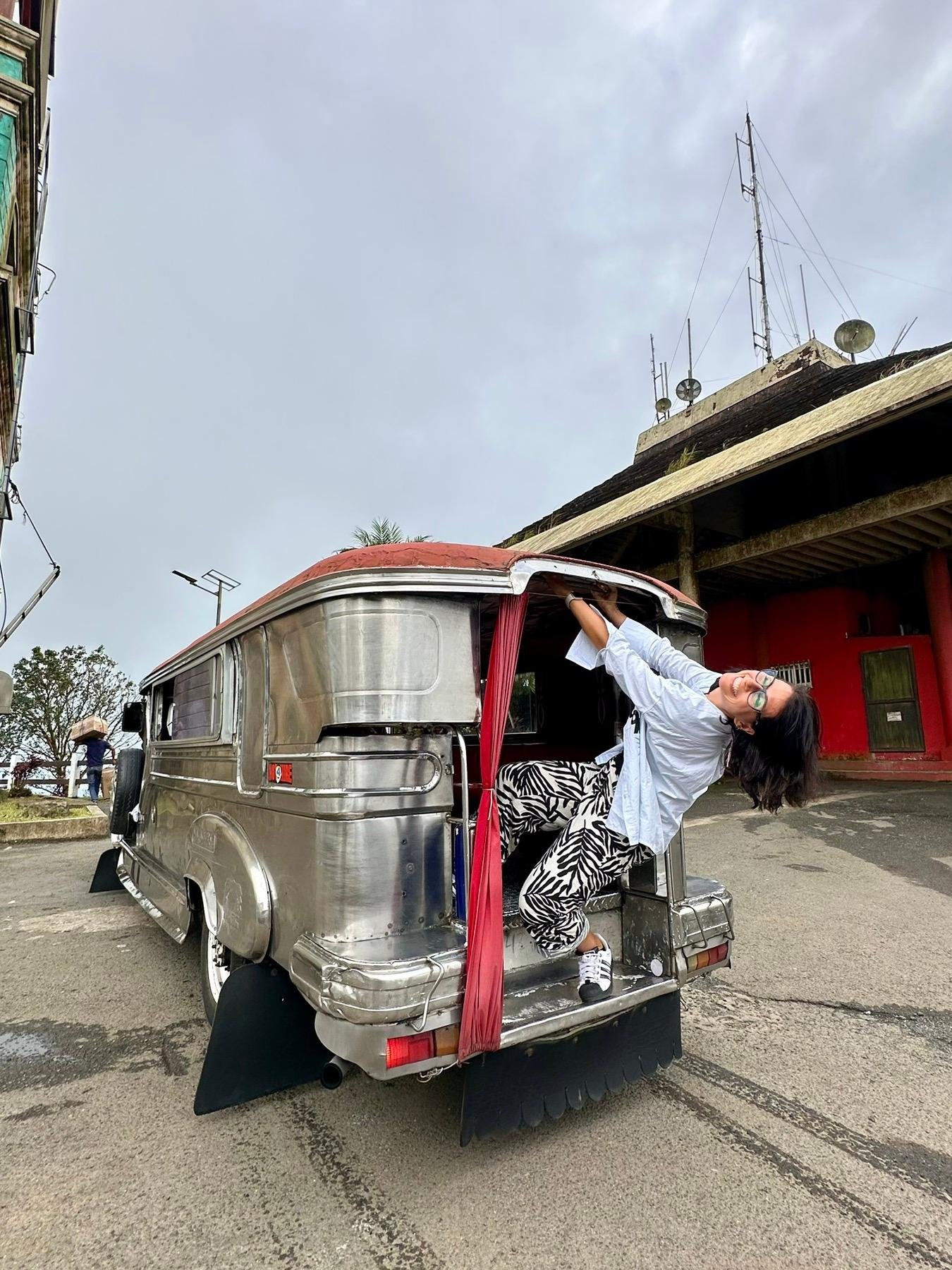
Cruise across Taal Lake, ride a jeepney to Palace in the Sky, and explore world-record museums on this full-day adventure.
1 day
Free Cancellation
Discover the Philippine capital's colonial landmarks and journey to Tagaytay's volcanic highlands
12 hours
Free Cancellation
Discover volcanic panoramas, lakeside vistas, and pristine rainforest springs on this full-day escape from Manila
6 hours
Free Cancellation
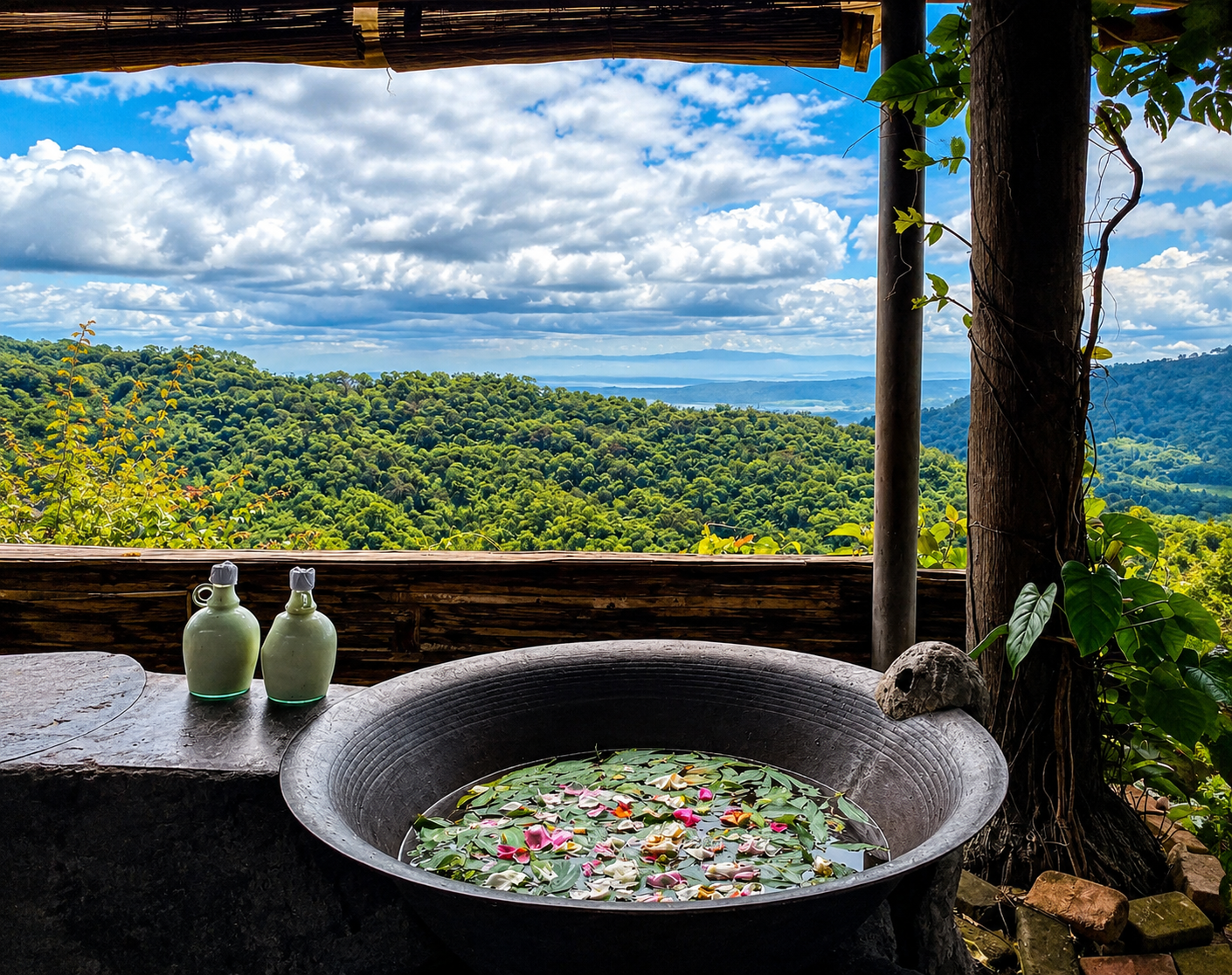
Discover Taal Volcano by private boat, soak in a traditional herbal Kawa Bath, and unwind with a full-body massage.
6 hours
Free Cancellation
Cruise the serene waters encircling one of the Philippines' most captivating volcanic sites
5 hours
Free Cancellation
Escape to Tagaytay's cool highlands for volcano views, contemporary art, and authentic Filipino snacks
Depart from Talisay Boat Station.
Arrive at the volcano island jump-off.
Hike to viewpoints overlooking the main crater.
Boat transit back to Talisay.
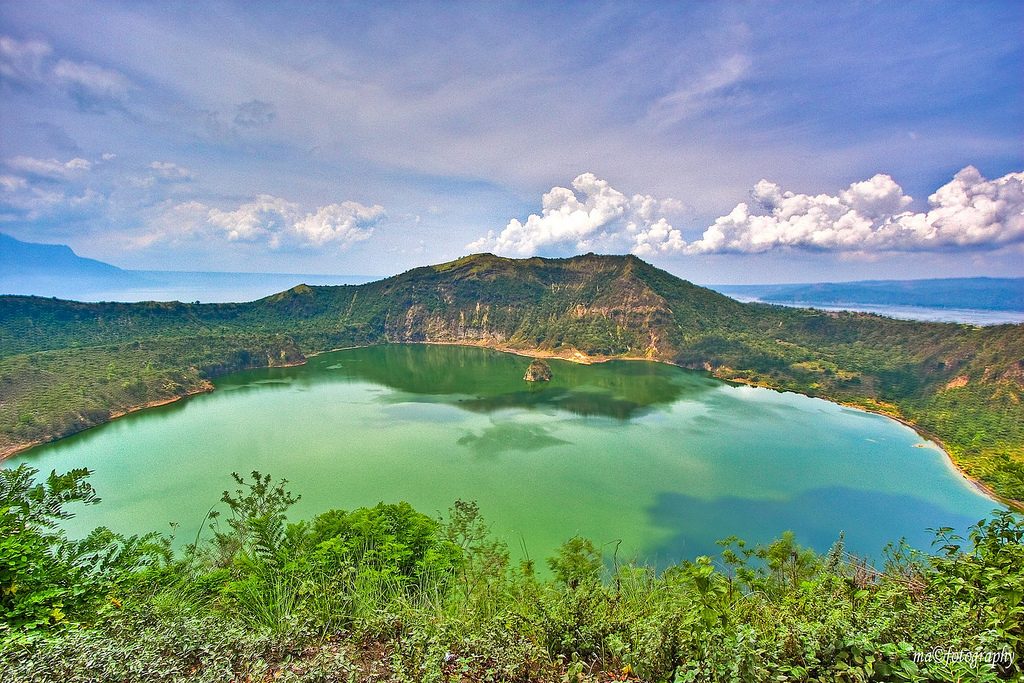
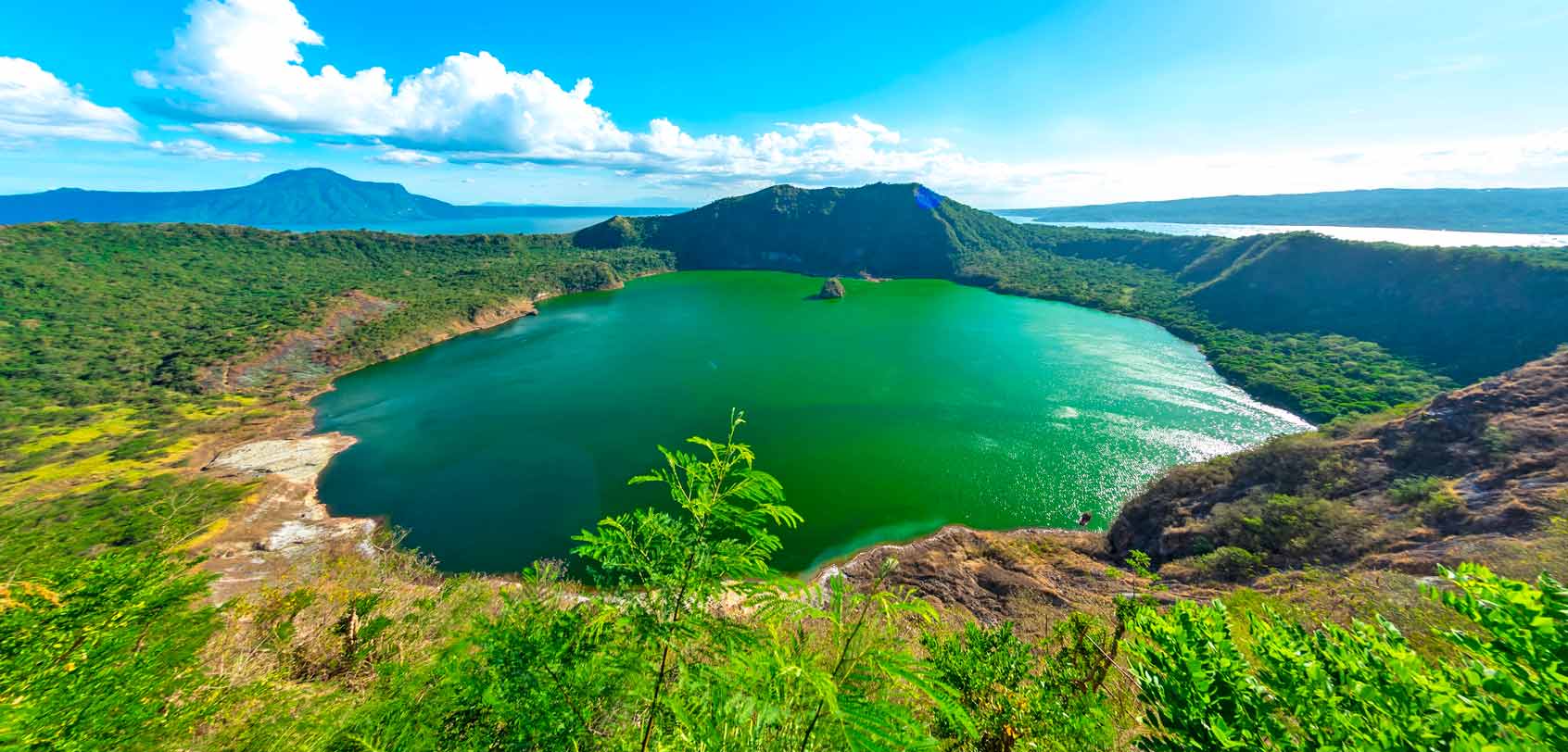
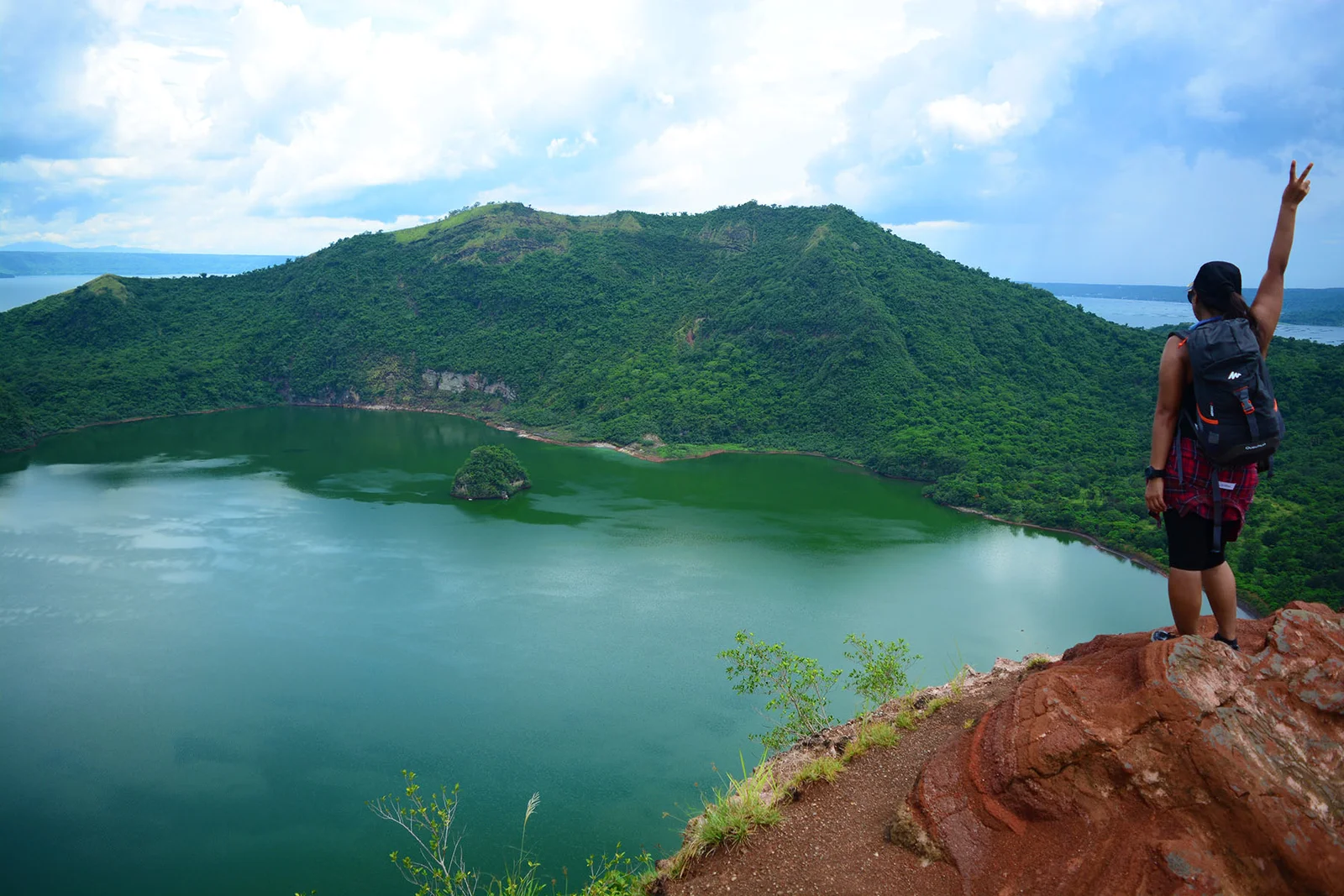
This iconic lake is situated within the volcanic caldera and contains a smaller island known as Vulcan Point. It is a unique geological feature of the Taal Volcano.
Often cited as the largest island in a lake on an island in a lake. This small rock formation sits inside the Main Crater Lake.
The primary path for visitors, this trail winds up the side of the volcano. It offers panoramic views of the surrounding Batangas landscape.
This elevated area provides a direct perspective of the crater's edge and the surrounding lake waters. It is a primary spot for photography.
The largest cone of the volcano, recognizable for its distinct shape. It is a significant landmark during the ascent.
You leave Manila before dawn, threading south through Cavite and into Batangas as the sun lifts over Laguna de Bay. By the time you reach Talisay, the lake is flat and silver. You pay the 100-peso environmental fee at the tourism office, then walk down the concrete ramp to the boat station.
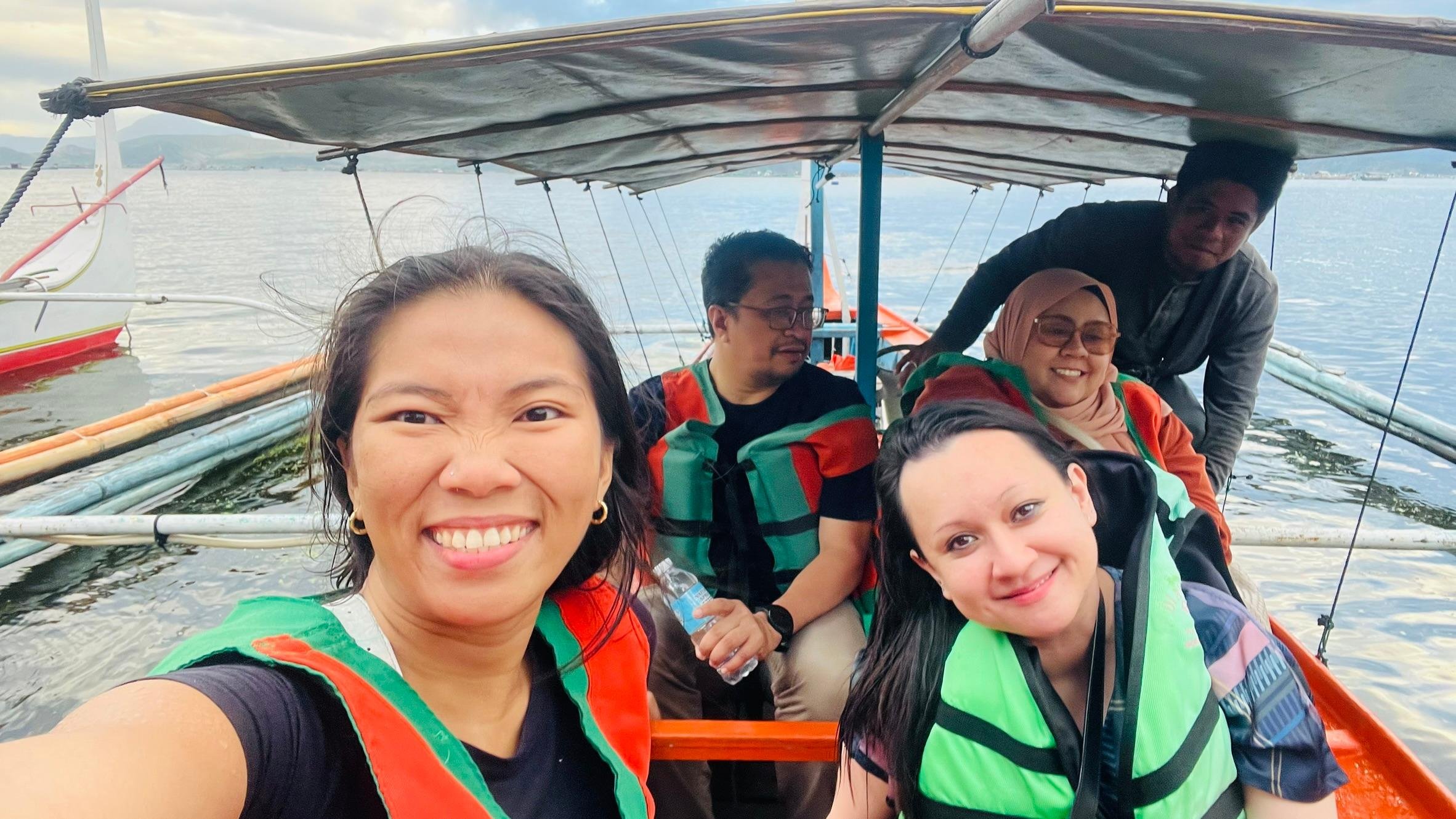
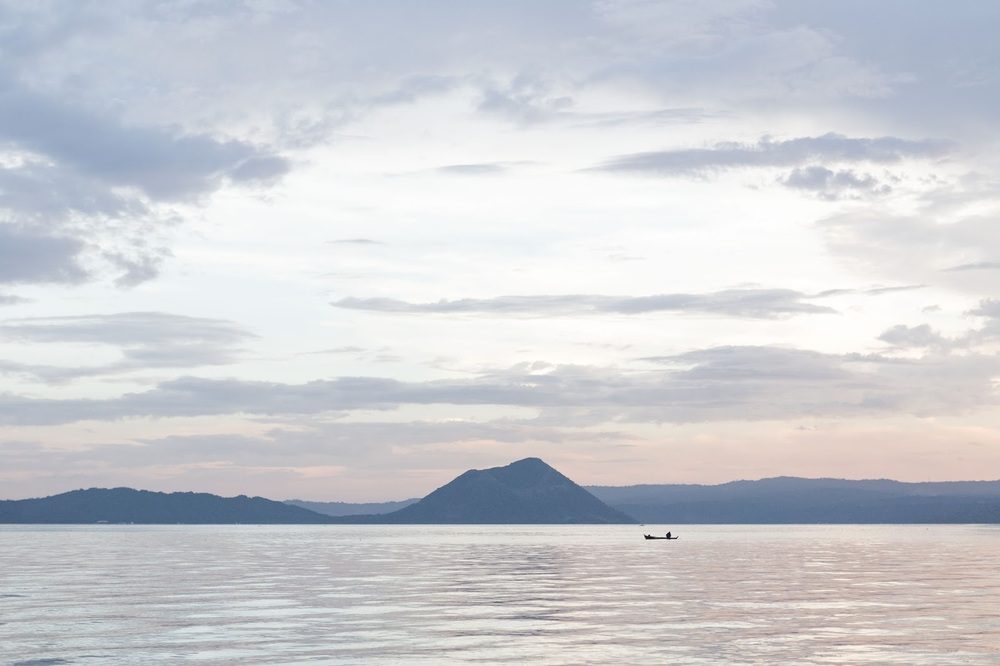
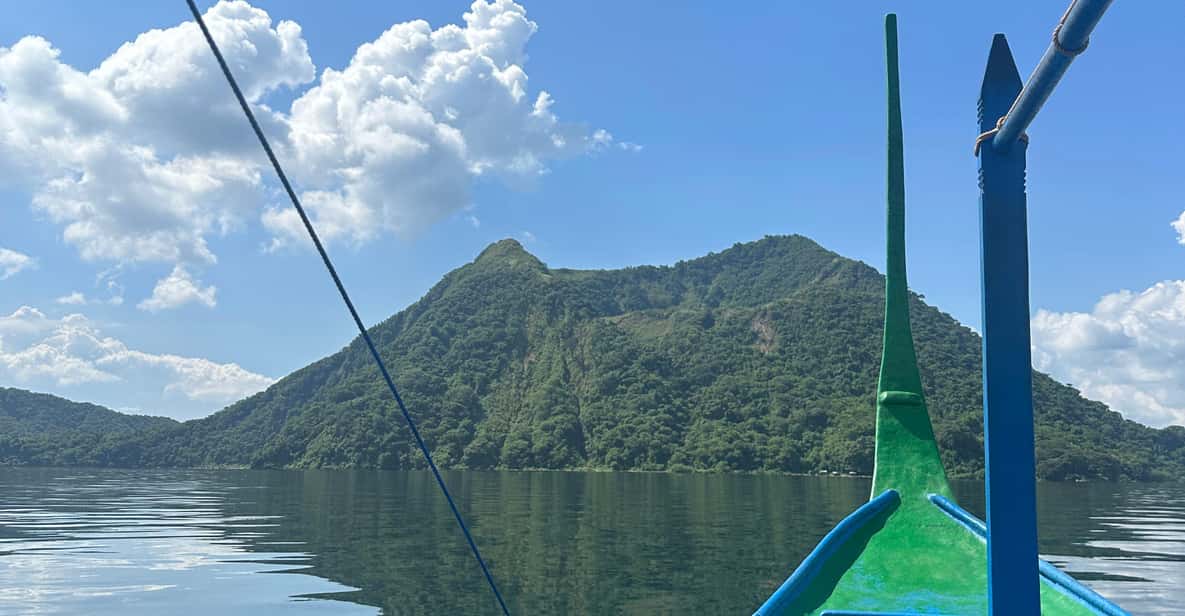
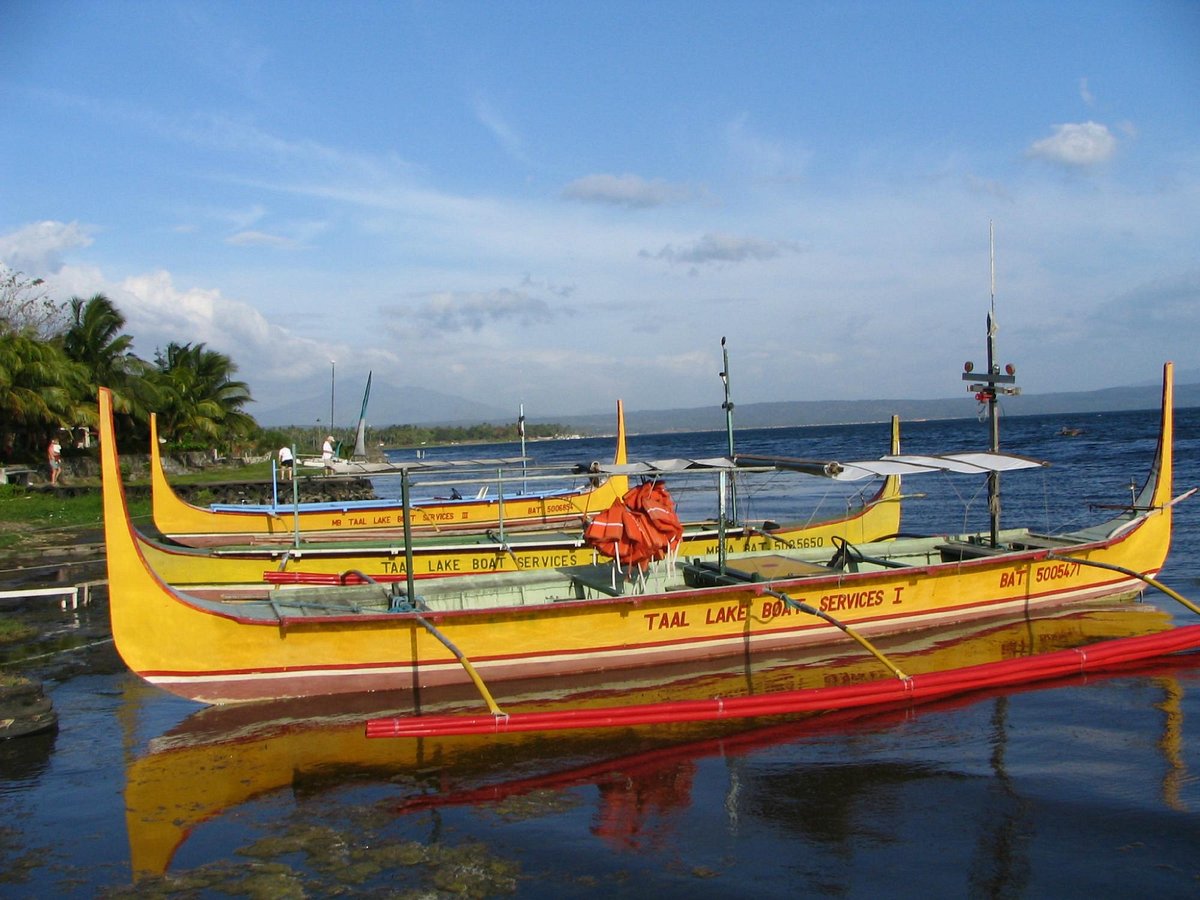
Your outrigger idles in shallow water, its bamboo outriggers painted in primary colours. The crossing takes fifteen minutes; the engine drones, and the crater island grows from a dark smudge into a defined ridgeline.
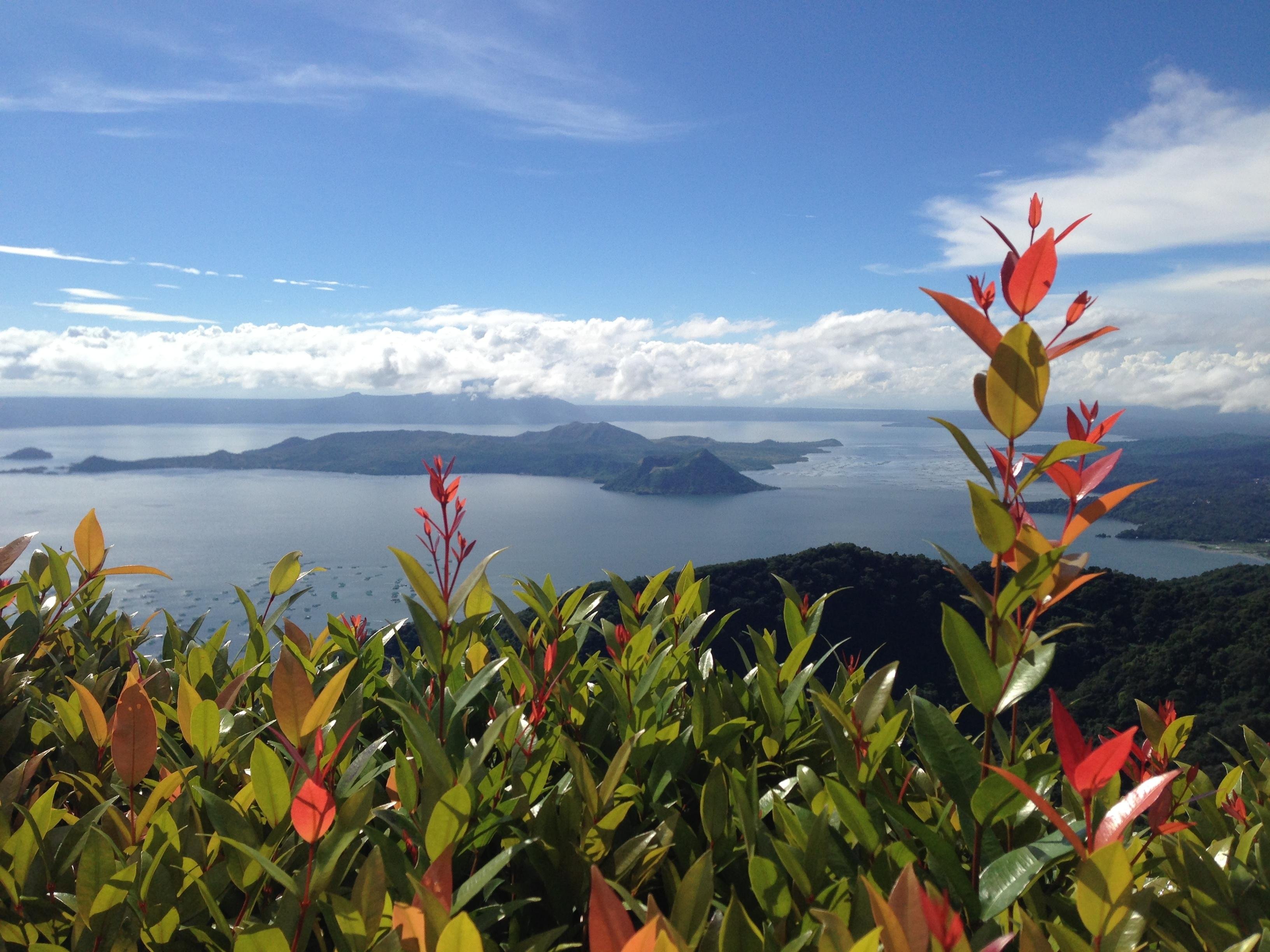
You step onto black-sand shingle and begin the ascent. The trail is loose volcanic grit, steep in sections, switchbacking through dry grass and scattered boulders. Horses stand tethered in the shade, offered by handlers to those who prefer not to walk. You reach the rim in thirty minutes. The crater opens below: a near-perfect bowl holding a pale-green lake, its surface unbroken except where steam vents hiss along the southern shore. The air smells faintly of sulfur. To the north, Tagaytay Ridge cuts a dark line across the horizon, and beyond it, on very clear days, the towers of Manila shimmer in the distance.
All the details about your upcoming adventure in one place
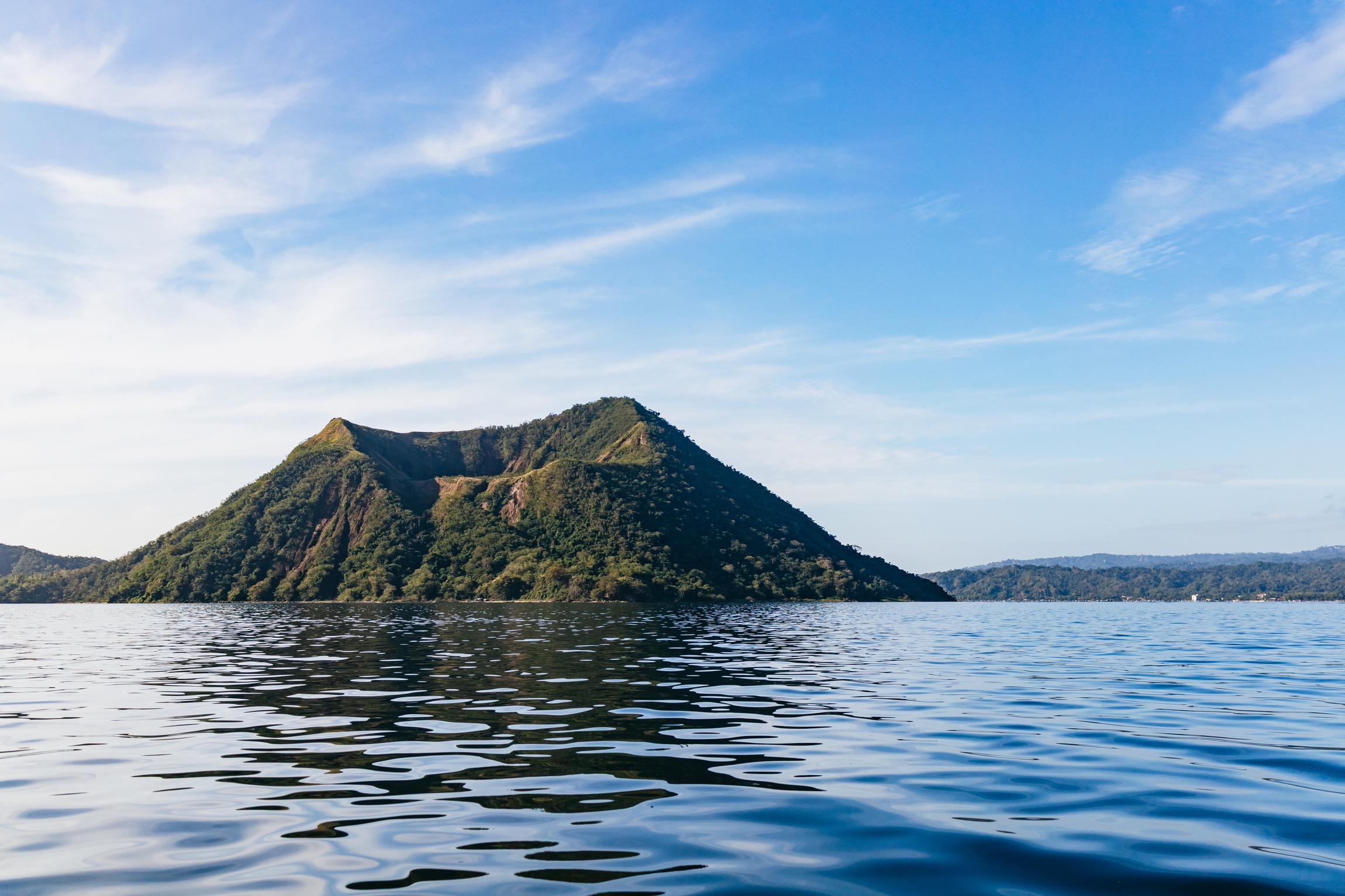
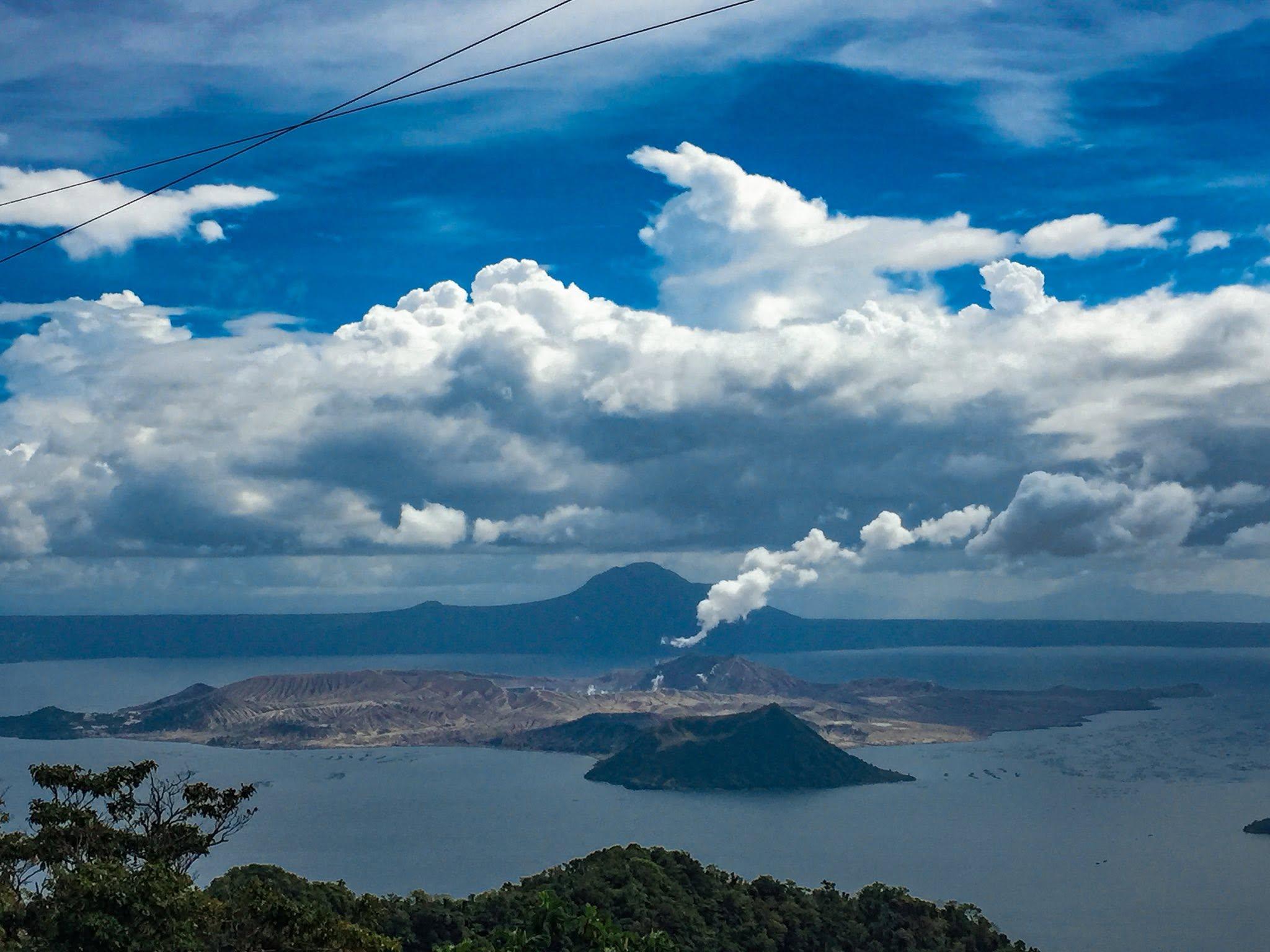
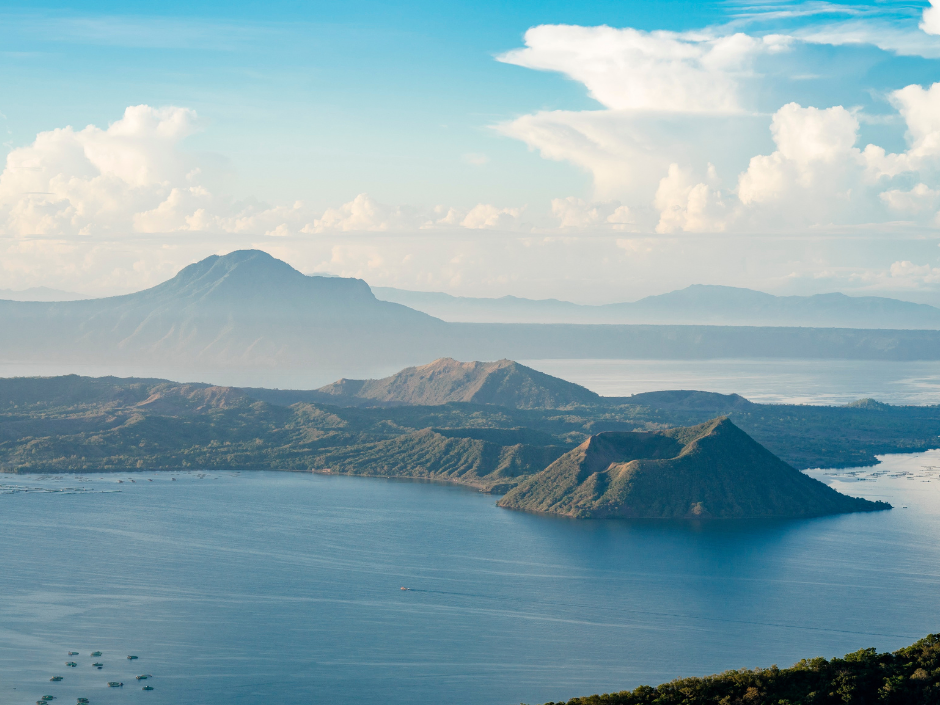
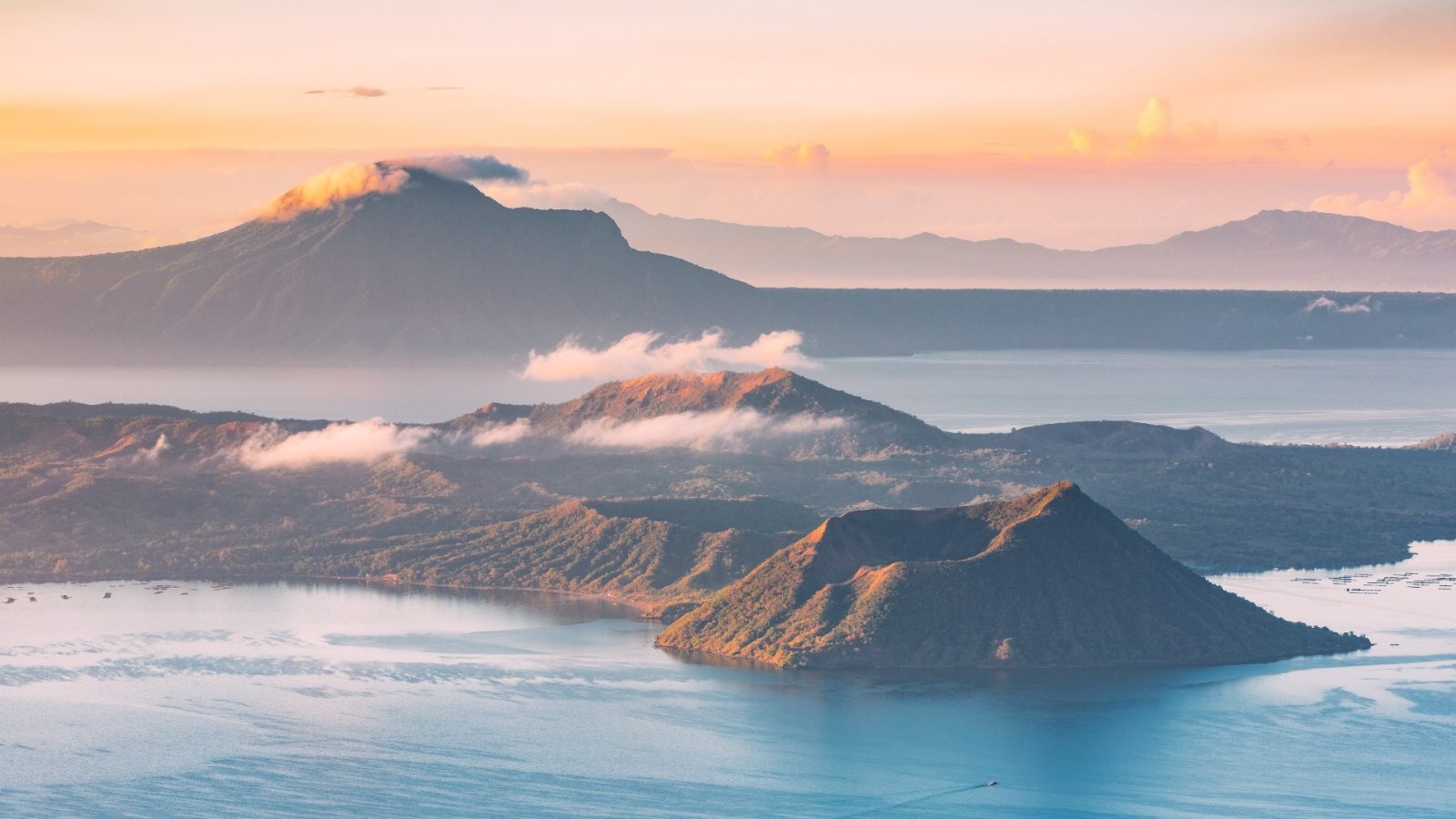
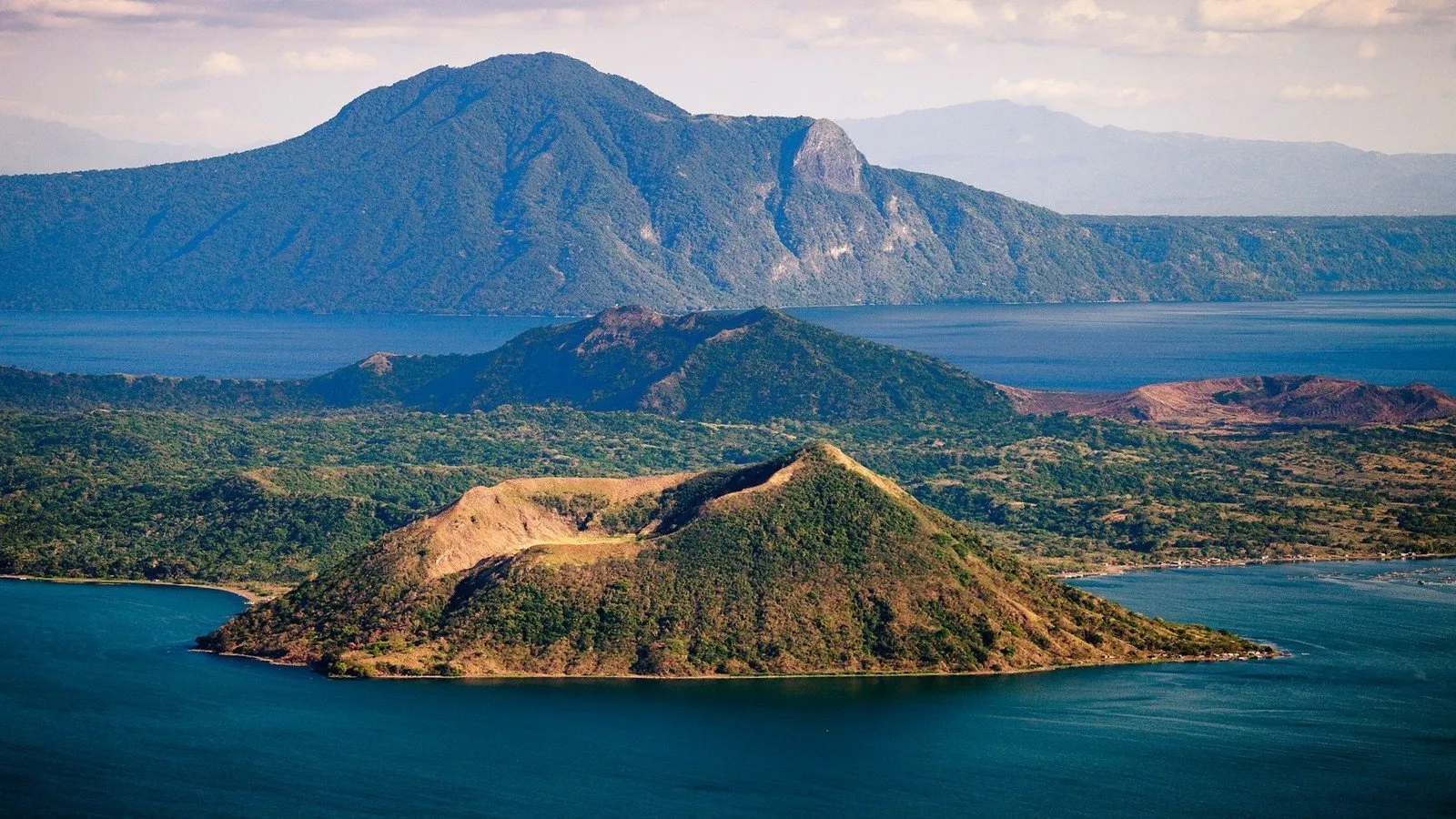
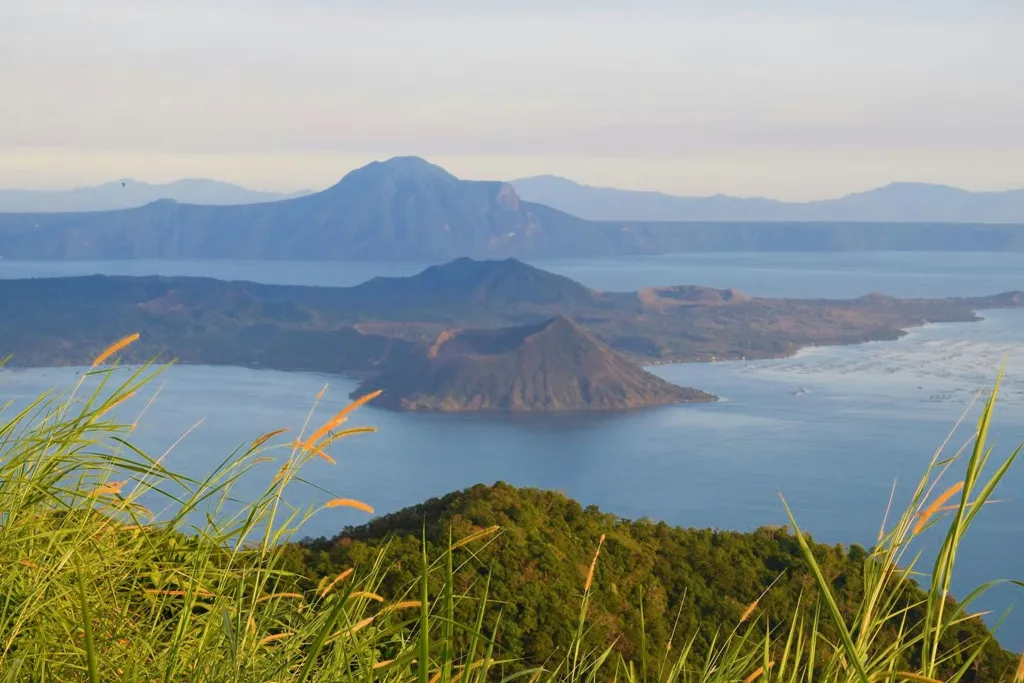
Taal Volcano sits inside Taal Lake, which itself occupies a larger caldera — making it a volcano within a volcano within a lake. The main crater island measures just two kilometres across, yet Taal remains one of the most active volcanoes in the Philippines, with 34 recorded eruptions since 1572.
Its 1911 eruption killed more than 1,300 people in a single afternoon. The 2020 eruption blanketed Metro Manila in ash and displaced tens of thousands, a reminder that the crater's placid sulfur lake masks a restless magma chamber beneath.
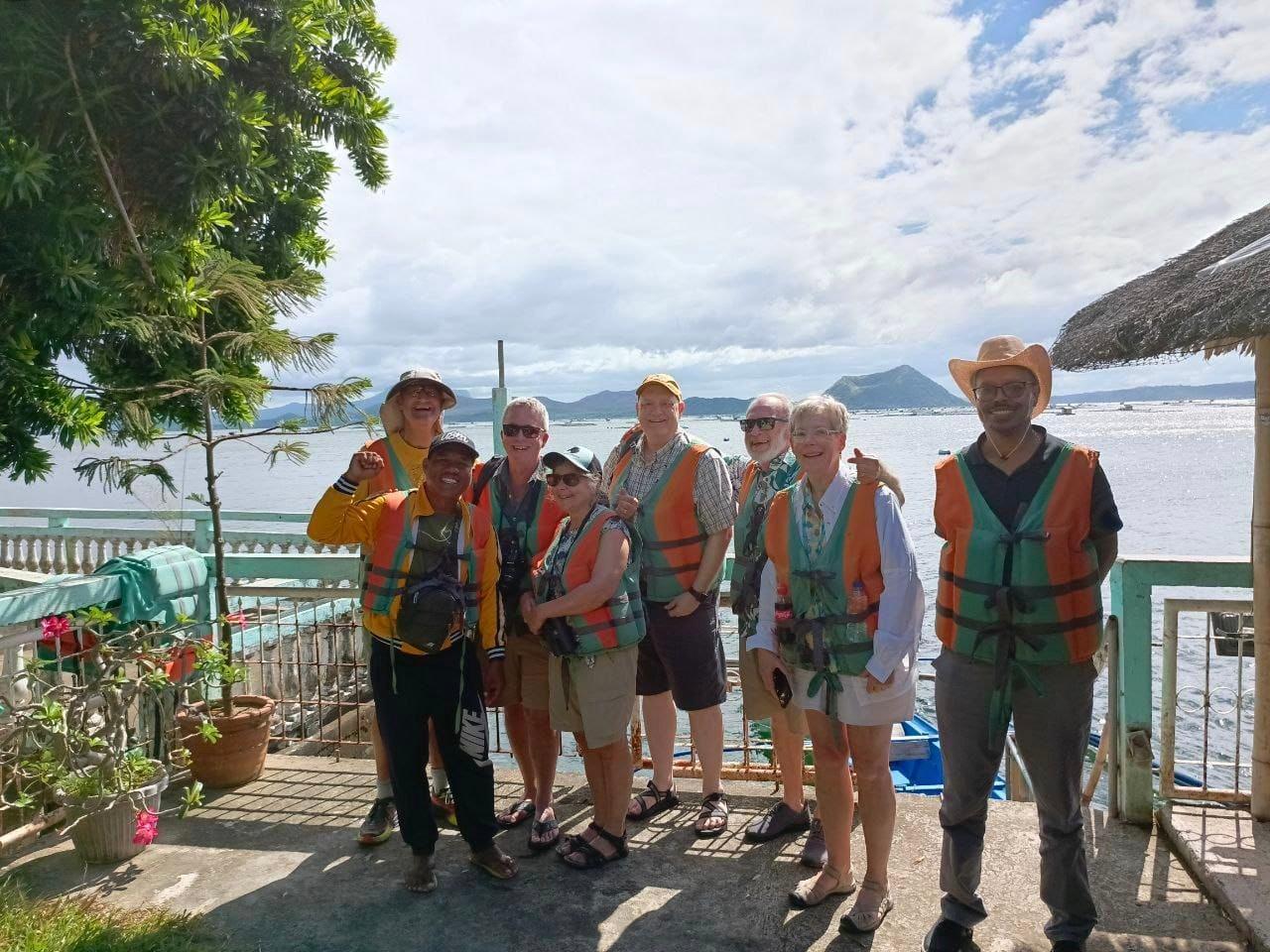
Today, Taal Volcano tour from Manila offerings depart from Talisay, a fishing municipality on the lake's northern shore in Batangas province. The site reopened to controlled tourism in 2022 under a tiered alert system managed by PHIVOLCS, the national seismology institute. Visitors cross Taal Lake by motorized outrigger, a fifteen-minute passage that delivers them to the island's eastern landing. From the shore, a trail climbs 200 vertical metres through volcanic tuff and scrub grass to the crater rim, where the view opens onto a milky-green sulfur pool flanked by fumaroles and hardened lava flows. On clear mornings, the skyline of Makati is visible 60 kilometres to the north.
The volcano's accessibility — less than 90 minutes by road from Manila via the Southern Tagaytay Ridge — has made it a perennial fixture of day-trip itineraries. Most Taal Volcano tours bundle the crater hike with stops in Tagaytay, a highland ridge town known for itsview decks and cool-climate produce markets. Some operators extend the loop to include Pagsanjan Falls or the rural parishes of Batangas. The boat crossing, however, remains the centrepiece: a flat-water traverse of a submerged caldera whose geologic memory stretches back 100,000 years. The island itself is uninhabited except for a small ranger outpost and a handful of livestock corrals maintained by families who held grazing rights before the 2020 evacuation order.

A volcano within a volcano within a lake — Taal's nested calderas compress 100,000 years of eruptive history into two square kilometres.
Wear breathable, lightweight clothing suitable for tropical weather and hiking. Sturdy footwear with good grip is recommended for navigating volcanic terrain.
Keep belongings secure in waterproof bags during the boat transfer. Avoid bringing unnecessary valuables that could be damaged by water or dust.
Photography is permitted throughout the area. Ensure your equipment is protected from sulfur dust and water spray during the boat ride.
Families should supervise children closely at all times due to the rugged nature of the site. Ensure children are comfortable with boat travel.
The volcanic terrain is uneven and steep, requiring physical stamina. Boat access may be challenging for individuals with limited mobility.
Bring sufficient water and snacks, as facilities on the island are limited. Dispose of all waste properly to maintain the site's natural state.
Opening Hours
06:00–16:00
Address
Talisay Boat Station, Talisay, Batangas, Philippines
Accessibility
Varies based on boat and terrain conditions
Best arrival
06:00–09:00
Storage
Limited availability at departure points
Navigation
Follow routes to Talisay, Batangas
Car · 02:30 · Fuel and toll costs apply.
Drive via SLEX and Santa Rosa-Tagaytay Road toward Talisay.
Public transport · 03:30 · Budget-friendly fares available.
Take a bus to Tanauan or Tagaytay, then a jeepney to Talisay.
Cancellations made 24 hours prior are eligible for a full refund. The 100 PHP environmental fee, per person, payable at Talisay Tourism Office is non-refundable once processed.
Recommended time
4-5 hours
A typical taal volcano tour from manila requires dedicating half a day to account for the boat transit from the Talisay Boat Station and local exploration. You should allocate extra time for potential queues during peak hours, as securing your taal volcano tour from manila tickets early helps navigate the caldera lake crossing efficiently. Opting for an early taal volcano tour from manila tour allows you to experience the volcanic landscape before the midday heat intensifies. Most visitors find that the boat transfer and island trekking balance well within this timeframe, ensuring a smooth experience at this iconic Batangas landmark.
Crowd levels through the day
Weather · crowds · average price — dots go green to amber to red as each metric rises.
March to May offer dry weather but warmer temperatures. Early morning is essential for comfort.
June to August see increased rainfall and potential boat cancellations. Monitor local weather updates closely.
September to November can be humid; the morning arrival window is critical for clarity.
December to February provide the most comfortable temperatures for hiking. Crowds may peak during holidays.
Complete registration at the Talisay Tourism Office early to save time. This ensures you comply with local entry requirements.
Carry more water than you expect to drink. The heat on the island can be intense even in cooler months.
Break in your hiking shoes before the trip. The volcanic soil can be loose and slippery on steep sections.
Consider hiring a local guide for the hike. They provide insights into the geology and ensure you stay on marked paths.
Check the weather report the night before. Strong winds often result in boat cancellations for safety.
Talisay, Batangas, Philippines
Check in at the tourism office for registration.
Get directionsTaal Volcano occupies a singular position in Philippine geological history. The complex formed over 500,000 years through successive eruptions that carved out what is now Taal Lake, a caldera lake hosting an island volcano within it. Spanish chroniclers documented its fury as early as 1572, when eruptions devastated settlements around the lakeshore. The deadliest recorded event came in 1754, lasting six months and destroying four towns. By the late 19th century, scientists had catalogued 33 historic eruptions, making Taal one of the Decade Volcanoes identified by the International Association of Volcanology for intensive study due to proximity to population centers. The 1911 eruption stands as the most catastrophic in modern records. On January 30, phreatomagmatic blasts killed 1,335 people across thirteen villages in a single hour. Pyroclastic surges traveled across the lake surface, a phenomenon that reshaped scientific understanding of volcanic hazards over water. The Philippine Commission subsequently established permanent monitoring stations, and by 1932 the Philippine Institute of Volcanology began continuous surveillance. Crater Island itself became a restricted zone, though enforcement remained inconsistent as farmers returned to cultivate the fertile slopes. The taal volcano tour from manila emerged as an organized tourism route in the 1970s, when the government promoted Tagaytay Ridge as a weekend destination. Bangkeros—traditional boatmen—formalized services from Talisay, ferrying visitors to the crater rim. The January 2020 eruption forced a complete halt. Phreatic activity displaced 135,000 residents and triggered Alert Level 4, prohibiting all access. Tours resumed in late 2022 under stricter permits, with the environmental fee instituted to fund monitoring infrastructure. Today, taal volcano tour from manila tickets support the Philippine Institute of Volcanology and Seismology's real-time network, which tracks over 200 microseismic events monthly beneath the lake.
Spanish friars record the first documented eruption, destroying lakeside settlements
Six-month eruption sequence kills hundreds and buries the town of Taal under ash and debris
Phreatomagmatic eruption on January 30 claims 1,335 lives in 13 villages within one hour
Philippine Institute of Volcanology establishes permanent monitoring stations around Taal Lake
Organized taal volcano tour from manila tours begin operating from Talisay boat stations
Alert Level 4 eruption displaces 135,000 residents and halts all tourism for two years
Tours resume with environmental fees funding seismic monitoring and hazard mapping
Real-time surveillance network tracks seismic activity as visitor access remains regulated
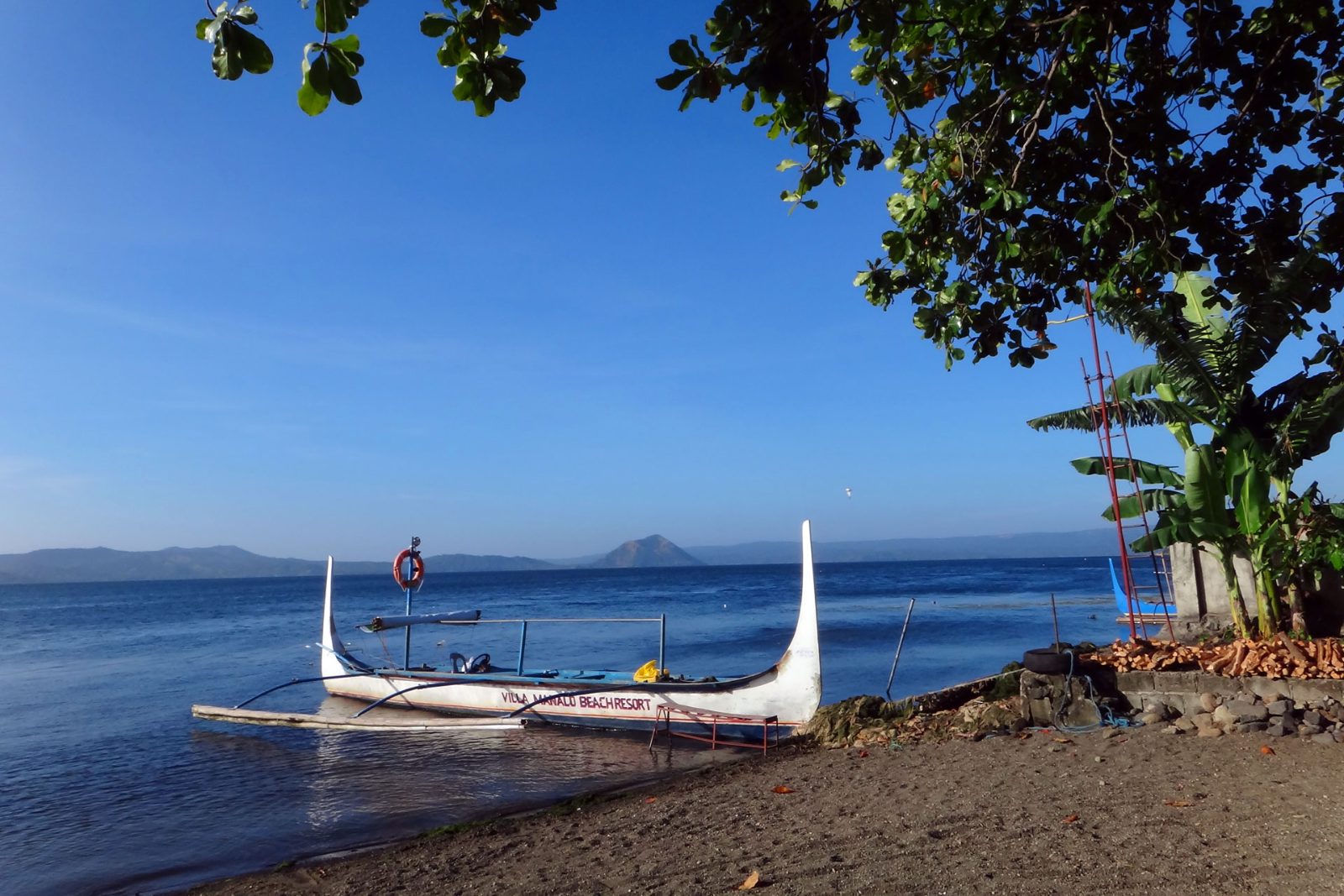
Capture the morning mist rolling over the lake from the starting point of your taal volcano tour from manila. Position yourself near the water edge to frame the traditional outrigger boats against the silhouette of the caldera.
This location provides an expansive panoramic perspective of the crater island and surrounding waters. It is the preferred vantage for those seeking to document the scale of the volcano after completing their taal volcano tour from manila tours.
Follow the defined hiking path to find elevated clearings that offer a direct look into the crater lake surface. This spot is essential for visitors looking for detailed geology shots during their taal volcano tour from manila tour.
Once you arrive at the island, the landing area allows for low-angle compositions of the volcanic soil and shore vegetation. Ensure you have your taal volcano tour from manila tickets ready for inspection by local authorities when disembarking.
Planning a taal volcano tour from manila requires careful coordination, as the boat trip and caldera trek involve navigating uneven terrain and lake conditions with children. Families should prioritize the early morning hours to ensure a smoother experience for everyone involved.
Strollers are not practical for this excursion due to the boat transfer and rugged hiking paths around the crater. Parents should opt for sturdy baby carriers or choose a taal volcano tour from manila tour that accommodates younger children with appropriate safety gear.
This trip is best suited for children aged 8 and older who can manage physical activity and the outdoor environment. Younger children may find the combination of boat transit and warm temperatures challenging, so consider this when purchasing taal volcano tour from manila tickets.
There are no baby-change stations or dedicated nursery rooms available at the boat station or the island. Plan to bring all necessary supplies in a waterproof bag to handle personal care during your day-long Manila day trip adventure.
The best arrival window is 06:00–16:00, specifically aiming for 06:00–09:00 to mitigate heat exhaustion. Expect to spend significant time on the water, so schedule breaks frequently to keep kids comfortable during these taal volcano tour from manila tours.
Finding a meal after your taal volcano tour from Manila is simple, as the lakeside and ridge areas offer diverse options ranging from quick bites to scenic dining. While the boat station is remote, these nearby Tagaytay establishments provide convenient spots to rest after your Batangas landmarks exploration.
Known for traditional Filipino breakfast and lunch dishes with a wide view of the crater lake. It is a popular spot, so expect crowds during weekend peak hours and book ahead for ridge-side seating.
A cozy venue famous for its locally sourced coffee and freshly baked pastries. This is a suitable choice for a light meal or snack following your taal volcano tour from Manila tickets.
Specializing in authentic Bulalo, this restaurant offers hearty servings that satisfy post-hike hunger. It remains a reliable destination for visitors completing their taal volcano tour from Manila tours.
This location offers refined meals and an unobstructed perspective of the water, ideal for those seeking a quieter atmosphere. It serves as a calm conclusion to a taal volcano tour from Manila tour.
Everything you need to know for your journey
The site operates from 06:00–16:00 daily.
Yes, there is a 100 PHP environmental fee, per person, payable at Talisay Tourism Office.
The departure point is Talisay Boat Station, Talisay, Batangas, Philippines.
Yes, you may bring food, but ensure you carry out all trash to keep the island clean.
It is suitable for older children, provided they can manage the hike and boat ride safely.
Booking for these excursions can be handled through authorized local operators offering taal volcano tour from manila packages.
Wear light, breathable clothes and sturdy hiking shoes appropriate for volcanic terrain.
Arrive between 06:00–09:00 for the best light and to avoid peak heat.
Cancellations are subject to the specific policy of your tour operator, typically requiring notice 24 hours in advance.
A historic and large church in the nearby heritage town.
Highland park offering panoramic views of the region.
Famous stretch providing elevated views of the volcano island.
High-end stays with crater views.
Smaller, themed lodgings near the water.
Basic, functional rooms for early departures.
Join thousands of happy travelers who have discovered this incredible experience
Book Your Experience Now