

Quick answer
Visiting Taal Volcano is safe when PHIVOLCS maintains Alert Level 1, which permits regulated tourism to the crater island. As of September 2026, the volcano operates under controlled access with required registration at the Talisay Tourism Office and a 100 PHP environmental fee. Visitors must monitor daily bulletins from PHIVOLCS, as alert levels can change rapidly based on seismic activity, sulfur dioxide emissions, and ground deformation measurements.
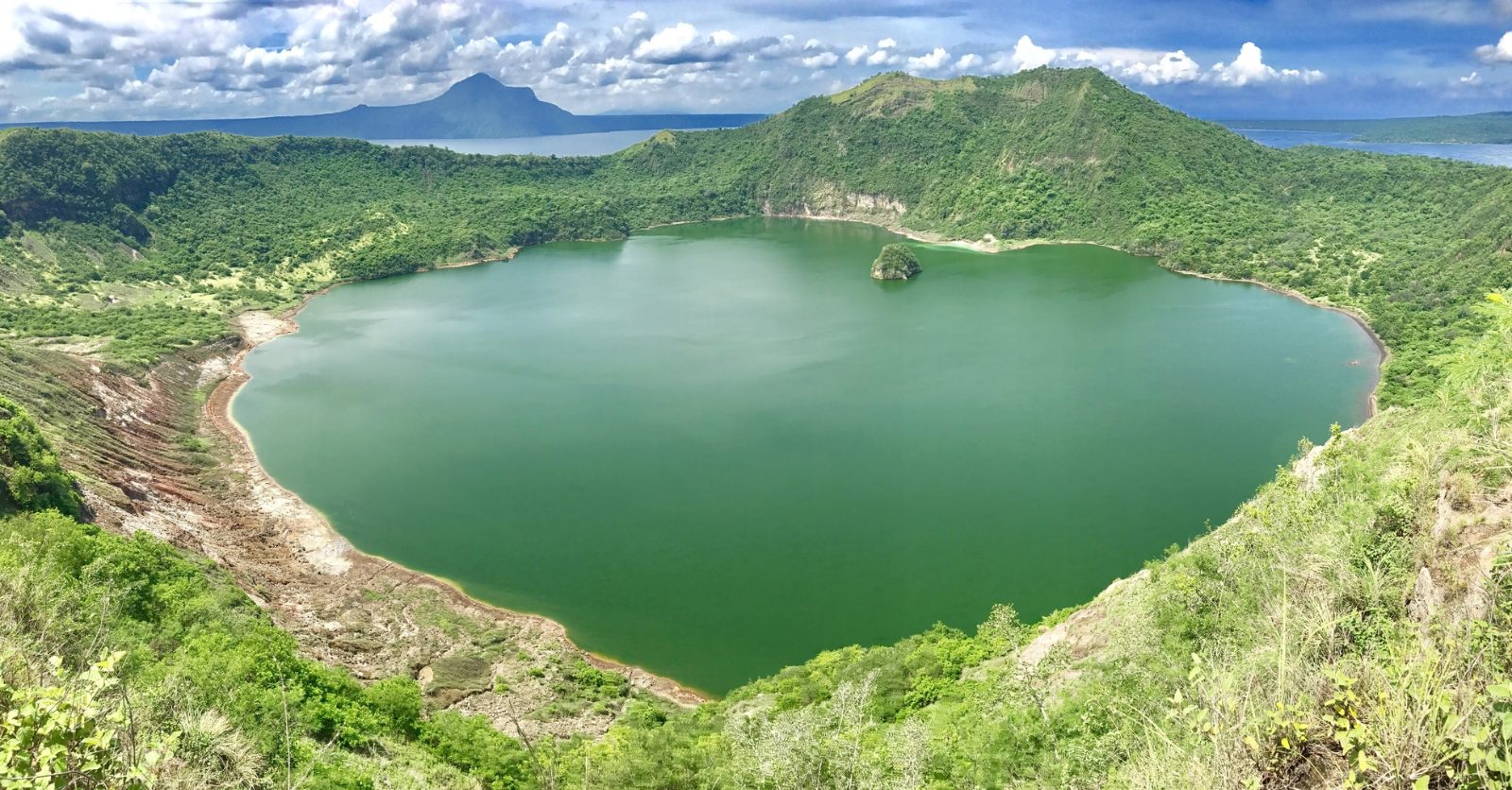
Taal Volcano recorded its most recent major eruption in January 2020, when a phreatomagmatic explosion sent ash plumes 15 kilometers into the atmosphere and displaced more than 100,000 residents across Batangas province. That event demonstrated the volcano's capacity for sudden escalation and reshaped how authorities manage visitor access. PHIVOLCS uses a five-level alert system to communicate volcanic risk. Alert Level 1 indicates low-level unrest with detected volcanic earthquakes and degassing but no immediate eruption threat. This is the baseline condition that allows tourism. Alert Level 2 signals increased unrest and typically triggers visitor restrictions or evacuation of the crater island. Levels 3 through 5 correspond to escalating eruption scenarios that close all access. The system relies on real-time data from seismometers positioned around the caldera, continuous GPS stations measuring ground swelling, and spectrometers tracking sulfur dioxide flux from the main crater. Visitors asking is it safe to visit Taal Volcano should understand that safety depends on adherence to current restrictions rather than the volcano's historical reputation. When permitted, boat operators licensed by the local government transport visitors from Talisay across the lake to the crater island, where a 30-minute uphill walk leads to viewpoints overlooking the sulfur-green crater lake. The trail crosses loose volcanic rock and exposed slopes with minimal shade, conditions that demand proper footwear and hydration regardless of volcanic status. The environmental fee collected at Talisay funds monitoring equipment and emergency preparedness programs coordinated between PHIVOLCS, the municipal government, and the Office of Civil Defense. Tour operators receive daily briefings on seismic activity and gas readings, and the island maintains evacuation protocols that can be activated within minutes if alert levels rise. Visitors receive orientation on assembly points and boat capacity limits before departure, a process formalized after the 2020 eruption revealed gaps in emergency response coordination.
“Alert Level 1 indicates low-level unrest with detected volcanic earthquakes and degassing but no immediate eruption threat.”
Is It Safe to Visit Taal Volcano: Understanding Current Volcanic Activity
Taal Volcano remains one of the most active volcanoes in the Philippines, requiring consistent monitoring to ensure visitor safety. Travelers should always consult official data before planning a visit.
PHIVOLCS role
The Philippine Institute of Volcanology and Seismology (PHIVOLCS) monitors Taal Volcano 24/7 using seismic instruments and ground deformation sensors. Their official website provides real-time updates on alert levels and volcanic status.
Alert Level system
PHIVOLCS utilizes a five-level alert system where Alert Level 0 signifies normal conditions and Alert Level 5 indicates an ongoing hazardous eruption. Visitors should verify that the volcano is at Alert Level 1 or lower before attempting to visit.
Historical activity
Taal Volcano has recorded 34 historical eruptions since 1572. Its most recent significant magmatic eruption occurred in January 2020, which prompted temporary closures of the surrounding areas.
Permanent Danger Zone
The main crater of Taal Volcano is designated as a Permanent Danger Zone due to the constant threat of phreatic explosions and volcanic gas emissions. Access to the island is strictly regulated by local authorities based on prevailing hazard assessments.
Safety protocols
Local government units and PHIVOLCS coordinate to enforce safety protocols, including boat restrictions and restricted access areas. Following these local directives is required to maintain safety during your visit.
Real-time verification
Visitors can check the latest volcanic bulletin on the PHIVOLCS website or social media channels. Ensuring the volcano is within safe parameters is a standard part of trip planning.
Best Time of Day When It Is Safe to Visit Taal Volcano
The best arrival window is 06:00–09:00, which offers clearer skies, cooler temperatures, and lower crowd levels. Planning your arrival within this timeframe helps ensure a more manageable experience before the midday heat and peak visitor numbers.
Weekday mornings
Minimal crowds—
Ideal for those seeking quieter trails and cooler morning air.
Dry Season (Dec–May)
Moderate to highGenerally sunny, 25°C to 32°C
Expect higher visitor traffic, especially on weekends and public holidays.
Wet Season (Jun–Nov)
LowFrequent rain, 24°C to 30°C
Expect intermittent rainfall and possible trail closures due to weather conditions.
Verdict: The concrete best slot is weekdays between 06:00 and 09:00 during the dry season months of February, March, or April.
Opening Hours for When It Is Safe to Visit Taal Volcano
Taal Volcano is open daily for visitors from 06:00 to 16:00.
| Monday | 06:00–16:00 | |
|---|---|---|
| Tuesday | 06:00–16:00 | |
| Wednesday | 06:00–16:00 | |
| Thursday | 06:00–16:00 | |
| Friday | 06:00–16:00 | |
| Saturday | 06:00–16:00 | |
| Sunday | 06:00–16:00 |
How to Reach the Area When It Is Safe to Visit Taal Volcano
Taal Volcano is located in Talisay, Batangas, Philippines. The most common access route for visitors involves traveling by road to the town of Talisay, which serves as the primary jump-off point for boat transfers.
DLTB Co. or JAM Liner from Buendia/Pasay to Tanauan City, Batangas
South Luzon Expressway (SLEX) to Startoll Tollway, exiting at Tanauan or Balete
Private hire from Metro Manila directly to Talisay
Motorized outrigger from Talisay shore to Volcano Island
Common Mistakes to Avoid When It Is Safe to Visit Taal Volcano
Taal Volcano's accessibility can create a false sense of security. Several common errors compromise safety and turn visits into unnecessary risks.
Ignoring PHIVOLCS alert levels and visiting during elevated warnings
Check the current alert level at phivolcs.dost.gov.ph before departure. Postpone if Level 2 or higher is in effect.
Bypassing the Talisay Tourism Office and heading straight to boat operators
Register at the tourism office first to pay the 100 PHP environmental fee and receive current safety briefings from officials.
Wearing sandals or casual footwear for the crater hike
The terrain includes loose volcanic rock and steep slopes. Wear closed-toe hiking shoes with ankle support and grip.
Arriving after 10:00 without checking weather and volcanic gas conditions
Sulfur dioxide concentrations increase as temperatures rise. Arrive between 06:00–09:00 when conditions are clearest and safest.
Dismissing guide recommendations about turnaround times or restricted zones
Guides monitor real-time conditions and know evacuation routes. Follow their instructions without negotiation.
Check availability
Frequently Asked Questions: Is It Safe to Visit Taal Volcano
Everything you need to know about is it safe to visit taal volcano